Common Causes of Joint Pain and Ayurvedic Support Options

Joint pain is one of the most common health complaints across age groups, affecting everyone from young athletes to seniors managing long-term wear and tear. Whether it shows up as a dull ache in the knees after a long walk, morning stiffness in the fingers, or a sharp twinge in the shoulder, joint pain can quietly chip away at daily comfort and mobility. Understanding the causes of joint pain is the first step toward finding lasting relief, and for many people, Ayurvedic treatment for joint pain offers a gentle, root-cause-focused path alongside conventional care.
In this comprehensive guide, we’ll break down the most common causes of joint pain, explain how Ayurveda views joint health, and explore practical Ayurvedic remedies for joint pain — including herbs, oils, diet, and lifestyle practices — that have been used for centuries to support mobility and comfort.
Understanding Joint Pain: Why It Happens
Joints are the meeting points of two or more bones, cushioned by cartilage, lubricated by synovial fluid, and supported by ligaments, tendons, and muscles. When any part of this system is disrupted — through injury, inflammation, degeneration, or imbalance — the result is pain, stiffness, swelling, or reduced range of motion.
Joint pain, medically referred to as arthralgia, isn’t a single condition but a symptom that can stem from dozens of underlying causes. Some are temporary and resolve on their own, while others are chronic and require ongoing management. Knowing which category your discomfort falls into can help you choose the right combination of medical care and natural support.
Most Common Causes of Joint Pain
1. Osteoarthritis
Osteoarthritis (OA) is the most widespread joint disorder worldwide and a leading cause of knee pain, hip pain, and finger joint pain, especially after the age of 40. It develops when the protective cartilage that cushions the ends of bones gradually wears down over time. Without this cushioning, bones begin to rub against each other, causing pain, stiffness, swelling, and a noticeable reduction in flexibility.
Common triggers include aging, repetitive joint stress, previous injuries, and excess body weight, which places additional load on weight-bearing joints like the knees and hips. Osteoarthritis pain typically worsens with activity and improves with rest, and morning stiffness usually eases within 30 minutes of movement.
2. Rheumatoid Arthritis
Unlike osteoarthritis, rheumatoid arthritis (RA) is an autoimmune condition in which the body’s immune system mistakenly attacks the synovial lining of the joints. This leads to chronic inflammation, swelling, and eventually joint damage if left unmanaged. RA often affects joints symmetrically — meaning both knees or both wrists at once — and is commonly accompanied by fatigue, low-grade fever, and prolonged morning stiffness lasting longer than an hour.
3. Gout
Gout is a form of inflammatory arthritis caused by a buildup of uric acid crystals in the joints, most frequently affecting the big toe. It tends to strike suddenly, causing intense pain, redness, warmth, and swelling. Diet plays a significant role here, as foods high in purines — red meat, organ meats, shellfish, and alcohol — can trigger flare-ups.
4. Injuries and Overuse
Sprains, strains, ligament tears, and repetitive strain injuries are among the most frequent causes of joint pain in younger, active individuals. Athletes, manual laborers, and people who perform repetitive motions (like typing or lifting) are particularly susceptible. Overuse injuries often develop gradually, starting as mild discomfort that intensifies without adequate rest or recovery.
5. Bursitis and Tendinitis
Bursitis is the inflammation of the small fluid-filled sacs (bursae) that cushion joints, while tendinitis refers to inflammation of the tendons connecting muscle to bone. Both conditions commonly affect the shoulder, elbow, hip, and knee, and are often linked to repetitive movement, poor posture, or sudden increases in physical activity.
6. Obesity and Excess Weight
Every extra kilogram of body weight adds several kilograms of additional pressure on weight-bearing joints, particularly the knees. This is one of the most significant modifiable risk factors for joint pain relief, as even moderate weight loss can meaningfully reduce joint stress and slow the progression of degenerative conditions like osteoarthritis.
7. Nutritional Deficiencies
A lack of key nutrients — particularly vitamin D, calcium, magnesium, and omega-3 fatty acids — can contribute to weaker bones, increased inflammation, and higher susceptibility to joint discomfort. Vitamin D deficiency, in particular, has been linked to increased joint and muscle pain in several studies.
8. Infections
Certain bacterial, viral, or fungal infections can settle in the joints, leading to septic arthritis or reactive arthritis. These conditions often present with sudden, severe joint pain accompanied by fever and require prompt medical attention.
9. Sedentary Lifestyle and Poor Posture
Prolonged sitting, lack of movement, and poor ergonomic posture — especially common in desk-based jobs — can weaken the muscles that support the joints, leading to stiffness, misalignment, and chronic discomfort in the neck, shoulders, lower back, and knees.
10. Weather and Seasonal Changes
Many people report increased joint stiffness during colder months or sudden weather changes. While the exact mechanism isn’t fully understood, changes in barometric pressure are believed to affect joint fluid and surrounding tissues, particularly in those with pre-existing arthritis.

The Ayurvedic Perspective on Joint Pain
In Ayurveda, joint pain is primarily associated with an aggravation of Vata dosha, the bio-energy governing movement, the nervous system, and dryness in the body. When Vata becomes imbalanced, it can lead to dryness in the joints, reduced lubrication, stiffness, and pain — a condition broadly referred to as Sandhivata, which closely parallels osteoarthritis in modern medical terms.
In cases involving inflammation, redness, and warmth around the joints — more consistent with rheumatoid arthritis — Ayurveda often points to an imbalance involving Ama (accumulated toxins from poor digestion) combined with aggravated Vata and Pitta, a condition sometimes referred to as Amavata.
This is why Ayurvedic treatment for joint pain doesn’t focus solely on symptom relief. Instead, it takes a holistic approach that addresses digestion, detoxification, lubrication of joint tissues, and strengthening of the musculoskeletal system, aiming to support the body’s natural balance rather than simply masking discomfort.
Ayurvedic Support Options for Joint Pain
1. Herbal Support
Several herbs used in traditional Ayurvedic formulations are widely known for supporting joint comfort and mobility:
- Ashwagandha – An adaptogenic herb traditionally used to reduce inflammation, support strength, and ease stress-related muscle tension.
- Guggul (Commiphora mukul) – Long used in Ayurveda to support healthy inflammatory response and joint lubrication.
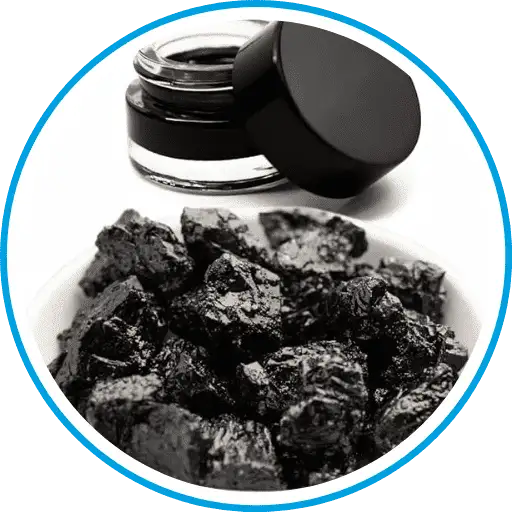
- Shallaki (Boswellia serrata) – One of the most researched Ayurvedic herbs for joint health, traditionally used to support cartilage health and ease stiffness.
- Turmeric (Curcumin) – Widely recognized for its natural anti-inflammatory properties, turmeric is a staple in Ayurvedic remedies for joint pain and is often combined with black pepper to enhance absorption.
- Nirgundi (Vitex negundo) – Traditionally applied to reduce swelling and discomfort in the joints and muscles.
- Rasna – Commonly included in Ayurvedic joint formulations for its traditional use in easing Vata-related stiffness.
These herbs are often available as part of comprehensive Ayurvedic joint pain relief supplements, but should ideally be taken after consulting a qualified Ayurvedic practitioner, especially if you’re on other medications.
2. Abhyanga (Therapeutic Oil Massage)
Warm oil massage, known as Abhyanga, is a cornerstone of Ayurvedic joint care. Oils infused with herbs like Mahanarayan or Sesame are gently massaged into affected joints to improve circulation, reduce stiffness, and pacify aggravated Vata. Regular oil massage is considered one of the most accessible home remedies for joint pain within the Ayurvedic tradition, particularly for age-related stiffness and dryness.
3. Panchakarma Therapies
For more persistent joint concerns, Ayurveda offers specialized detoxification and rejuvenation therapies under the umbrella of Panchakarma. Treatments like Janu Basti (localized oil pooling therapy for the knees) and Greeva Basti (for the neck) are traditionally used to nourish the joint tissues, reduce stiffness, and support long-term mobility. These treatments are typically administered by trained practitioners at an Ayurvedic wellness center.
4. Dietary Adjustments
Ayurveda places significant emphasis on diet as a foundation for joint health:
- Favor warm, cooked, and easily digestible foods over cold, raw, or processed items, which are believed to aggravate Vata.
- Include healthy fats such as ghee and sesame oil, which are traditionally considered lubricating for the joints.
- Reduce excess intake of caffeine, refined sugar, and fried foods, which may contribute to inflammation.
- Incorporate anti-inflammatory spices like turmeric, ginger, and cinnamon into daily cooking.
- Stay well hydrated with warm water throughout the day to support digestion and reduce dryness.
5. Yoga and Gentle Movement
Ayurveda and yoga share deep philosophical roots, and gentle, joint-friendly yoga practices are frequently recommended to improve flexibility, strengthen supporting muscles, and reduce stiffness. Poses like Vrikshasana (Tree Pose), Setu Bandhasana (Bridge Pose), and gentle joint-rotation exercises (Sukshma Vyayama) are commonly suggested for individuals seeking natural remedies for joint pain without high-impact strain.
6. Lifestyle (Dinacharya) Practices
Ayurveda also emphasizes daily routine, or Dinacharya, as essential to managing Vata imbalance:
- Maintaining regular sleep and wake times to support the nervous system.
- Avoiding prolonged exposure to cold, windy environments, which can aggravate Vata-related stiffness.
- Practicing stress-reduction techniques like meditation and pranayama, since chronic stress is believed to intensify Vata imbalance and, by extension, joint discomfort.
Ayurveda and Modern Medicine: A Complementary Approach
It’s important to understand that Ayurvedic support options are best used as a complement to, not a replacement for, medical diagnosis and treatment — particularly for conditions like rheumatoid arthritis, gout, infections, or injuries that require timely medical intervention. If joint pain is sudden, severe, accompanied by fever, or associated with visible deformity, it’s essential to consult a healthcare provider promptly.
For chronic, degenerative, or lifestyle-related joint discomfort, however, many people find that integrating Ayurvedic herbs, therapeutic oils, dietary changes, and gentle movement alongside conventional care offers a more holistic and sustainable path toward comfort and mobility.
When to See a Doctor
While mild, occasional joint discomfort can often be managed with lifestyle changes and natural support, certain signs warrant prompt medical attention:
- Sudden, severe joint pain with visible swelling or deformity
- Joint pain accompanied by fever or unexplained weight loss
- Inability to bear weight or move the joint
- Redness and warmth spreading rapidly around a joint
- Joint pain following a significant injury or fall
Frequently Asked Questions
What is the fastest Ayurvedic remedy for joint pain?
Warm sesame or Mahanarayan oil massage combined with a warm compress is often considered one of the quickest ways to ease acute stiffness, though consistent, longer-term use of herbs like Shallaki and Guggul tends to offer more sustainable results.
Can turmeric really help with joint pain?
Turmeric contains curcumin, a compound traditionally valued in Ayurveda and studied for its natural anti-inflammatory properties. It’s commonly used both internally, in warm milk or supplements, and as part of topical pastes for localized discomfort.
Is Ayurvedic treatment safe for long-term joint pain management?
When guided by a qualified practitioner and sourced from reputable brands, Ayurvedic herbs and therapies are generally considered safe for long-term use. However, it’s always wise to inform your doctor about any herbal supplements you’re taking, especially alongside prescription medication.
What foods should be avoided for joint pain according to Ayurveda?
Ayurveda generally recommends limiting cold, raw, processed, and excessively fried foods, along with excess caffeine and refined sugar, as these are believed to aggravate Vata and increase inflammation in the joints.
Final Thoughts
Joint pain can stem from a wide range of causes — from natural wear and tear and autoimmune conditions to injury, diet, and lifestyle factors. While conventional medicine plays an essential role in diagnosing and managing serious joint conditions, Ayurveda offers a time-tested, holistic framework for supporting joint health through herbs, therapeutic oils, mindful eating, and daily lifestyle practices.
By understanding the root cause of your discomfort and combining the best of both approaches, it’s possible to build a sustainable, long-term strategy for better mobility, reduced stiffness, and improved quality of life.
This article is intended for informational purposes only and does not constitute medical advice. Please consult a qualified healthcare provider or Ayurvedic practitioner before starting any new treatment, herbal supplement, or therapy, especially if you have an existing medical condition or are taking other medications.