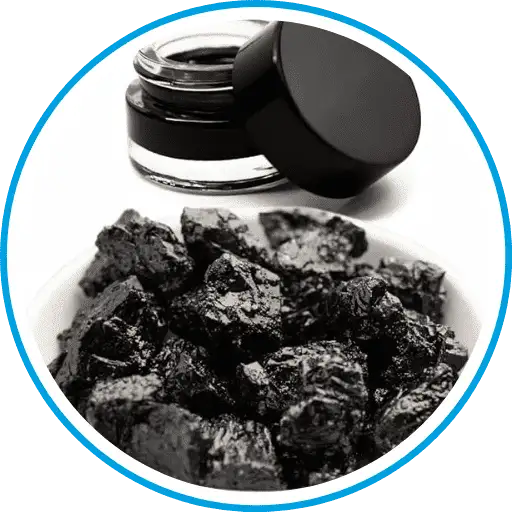
How an Ayurvedic Face Cleanser Helps Reduce Pimples and Acne Naturally

Pimples and acne are among the most common skin concerns people search for solutions to, and it’s easy to see why. Between hormonal shifts, pollution, stress, and diet, breakouts can show up at almost any age — not just during the teenage years. If you’ve tried chemical-laden products that promise overnight results but leave your skin dry, irritated, or worse, you’re not alone. This is exactly why so many people are turning back to Ayurveda, one of the oldest holistic healing systems in the world, and specifically to the best ayurvedic face wash for pimples and acne prone skin.
Unlike quick-fix chemical treatments, an ayurvedic face wash for pimples works with your skin rather than against it. It doesn’t just target the surface symptoms — it aims to restore balance, calm inflammation, and support your skin’s natural healing process using ingredients that have been trusted for thousands of years. In this guide, we’ll explore exactly how an Ayurvedic face cleanser helps reduce pimples and acne naturally, the science and tradition behind it, the key herbs to look for, and how to build a simple, effective Ayurvedic skincare routine.
Understanding Acne the Ayurvedic Way
Before we get into cleansers, it helps to understand how Ayurveda actually views acne — because this is what shapes the entire approach to treatment.
In Ayurveda, the body is governed by three doshas: Vata, Pitta, and Kapha. Skin health, and specifically acne, is closely tied to an imbalance in Pitta and Kapha doshas. Pitta governs heat, metabolism, and oil production in the body. When Pitta becomes aggravated — often due to spicy food, stress, hormonal fluctuations, or lack of sleep — it manifests on the skin as redness, inflammation, and painful, angry breakouts. Kapha, on the other hand, governs structure and lubrication. An aggravated Kapha dosha leads to excess oil (sebum) production, clogged pores, and the buildup of bacteria, which further worsens acne.
Ayurveda also points to the accumulation of Ama, or toxins, in the body as a root cause of skin issues. Ama typically builds up due to poor digestion, an unhealthy diet high in sugar, dairy, and processed foods, and unhealthy lifestyle habits. When toxins aren’t eliminated properly, they often find their way out through the skin — appearing as pimples, blackheads, and blemishes.
This is a fundamentally different way of thinking about acne compared to conventional skincare, which usually treats breakouts as a surface-level problem to be masked or dried out. Ayurveda instead asks: what internal imbalance is causing this to show up on the skin? A well-formulated natural face wash for acne is designed to work with this philosophy — cleansing the skin gently while helping restore Pitta-Kapha balance, rather than stripping the skin and triggering even more oil production as a rebound response.
Why Choose an Ayurvedic Face Cleanser Over Chemical-Based Products?
If you’ve ever used a harsh, chemical-heavy face wash to “dry out” a pimple, you’ve probably noticed the aftermath: tight, flaky, irritated skin that sometimes produces even more oil to compensate. This is one of the biggest reasons people are actively searching for the best ayurvedic face wash for acne prone skin as an alternative.
1. Gentle Yet Effective Cleansing
Most Ayurvedic cleansers are formulated to remove dirt, excess oil, and impurities without disturbing your skin’s natural moisture barrier. This is crucial because when your skin barrier is damaged, it becomes more vulnerable to bacteria, irritation, and — ironically — more breakouts.
2. No Harsh Chemicals
Many Ayurvedic face washes are free from sulphates, parabens, and synthetic fragrances. Harsh surfactants found in mainstream cleansers can strip your skin of its natural oils, leading to dryness and irritation, which then triggers your skin to overproduce oil to compensate — a cycle that often makes acne worse, not better.
3. Root-Cause Approach
Rather than simply targeting bacteria on the surface, herbal ingredients used in Ayurveda work on multiple levels: antibacterial action, anti-inflammatory support, oil regulation, and even mild detoxification of the skin.
4. Suitable for Regular, Long-Term Use
Because these formulations are plant-based and gentle, they’re generally safe for daily use over the long term — something that can’t always be said for stronger chemical acne treatments, which are often recommended only for short-term or spot use.
Key Ayurvedic Ingredients That Fight Pimples and Acne Naturally
The effectiveness of any herbal face wash for pimples comes down to its ingredients. Here are the most well-researched and widely used Ayurvedic herbs for acne-prone skin, and why they work.
Neem (Azadirachta indica)
Neem is often called the “skin purifier” in Ayurveda, and for good reason. It’s one of the most powerful natural antibacterial and antifungal ingredients used in skincare. Neem-based cleansers are considered highly effective for acne-prone skin because neem helps reduce the bacteria responsible for breakouts while also soothing irritated, inflamed skin. If you struggle with frequent breakouts, blackheads, or whiteheads, a neem face wash for acne is often the first recommendation in Ayurvedic skincare.
Tulsi (Holy Basil)
Tulsi is another cornerstone of Ayurvedic skincare. Known for its antibacterial and adaptogenic properties, tulsi helps combat the bacteria that contribute to pimples while also helping the skin cope with stress-induced breakouts — since tulsi has long been valued for its stress-relieving qualities in Ayurveda.
Turmeric (Haldi)
Turmeric’s active compound, curcumin, is widely recognized for its anti-inflammatory and antioxidant properties. In face washes, turmeric helps calm redness and swelling associated with active pimples while also supporting an even skin tone over time — which is why turmeric-based products are popular not just for acne, but for acne scars and pigmentation as well.
Manjistha
Manjistha is prized in Ayurveda for its blood-purifying properties. It’s believed to work from within to detoxify the skin, helping reduce acne breakouts while also fading pigmentation and blemishes left behind by old pimples, leading to a clearer, brighter complexion over time.
Aloe Vera
Aloe vera is a hydrating, soothing ingredient that calms irritated and inflamed skin. It’s particularly helpful for people who find that acne treatments tend to dry out their skin, since aloe vera helps maintain moisture balance while still supporting the skin’s healing process.
Tea Tree Oil
Though not exclusively an Ayurvedic ingredient, tea tree oil is frequently blended into Ayurvedic formulations for its natural antibacterial and antifungal action. It’s especially effective for reducing the redness and inflammation caused by active pimples, making it a popular addition to a tea tree ayurvedic face wash.
Lodhra and Amaya
Lesser-known outside Ayurvedic circles, lodhra and amaya are traditional herbs used in classical formulations for their skin-toning and purifying properties. They’re often included in Ayurvedic anti-pimple face washes for their ability to help balance oil production and tighten pores.
Sandalwood (Chandan)
Sandalwood has cooling and anti-inflammatory properties that make it especially useful for Pitta-aggravated skin — the type prone to redness, heat, and inflamed breakouts. It’s a common ingredient in traditional formulations meant to calm the skin.
How an Ayurvedic Face Cleanser Works to Reduce Pimples and Acne
Now let’s break down the actual mechanisms by which a good ayurvedic face wash for pimples and acne helps improve your skin.
Removes Excess Oil Without Over-Drying
One of the biggest mistakes in acne treatment is over-drying the skin, which triggers a rebound effect of excess oil production. Ayurvedic cleansers are formulated to gently remove excess sebum while maintaining your skin’s natural moisture, helping prevent this vicious cycle.
Unclogs Pores
Ingredients like neem, turmeric, and manjistha help clear out the buildup of dirt, oil, and dead skin cells that clog pores — one of the primary triggers for both blackheads and whiteheads.
Fights Acne-Causing Bacteria
Neem, tulsi, and tea tree oil all bring natural antibacterial properties to the table, directly targeting the bacteria (commonly Cutibacterium acnes) that contribute to inflamed pimples.
Calms Inflammation and Redness
Turmeric, sandalwood, and aloe vera work together to reduce the swelling, redness, and discomfort that often accompany active breakouts, making skin look and feel calmer within days of consistent use.
Balances Skin pH
Many Ayurvedic cleansers are formulated to help maintain your skin’s natural pH balance, which is essential for a healthy skin barrier. An imbalanced pH can make skin more prone to bacterial growth and irritation.
Supports Detoxification
In line with Ayurvedic philosophy, herbs like manjistha and neem are believed to support the skin’s natural detoxification process, helping clear out the “Ama” or toxins that Ayurveda considers a root cause of breakouts.
Fades Post-Acne Marks Over Time
Beyond just treating active pimples, regular use of a natural face wash for acne and pigmentation can help gradually fade the dark spots and blemishes that acne often leaves behind, thanks to ingredients like manjistha and turmeric.
How to Use an Ayurvedic Face Cleanser for Best Results
Getting the most out of your Ayurvedic cleanser isn’t just about the product — it’s also about how you use it. Here’s a simple, effective routine:
- Wash your hands first. This prevents transferring additional bacteria and dirt to your face.
- Wet your face with lukewarm water. Hot water can strip natural oils and irritate sensitive, acne-prone skin.
- Take a small amount of cleanser and gently massage it onto your face using circular motions for about 30–60 seconds. Avoid scrubbing aggressively, especially over active pimples.
- Focus on the T-zone (forehead, nose, chin), where oil production tends to be highest.
- Rinse thoroughly with lukewarm water and pat your skin dry with a clean, soft towel — don’t rub.
- Follow up with a lightweight, non-comedogenic moisturizer to keep your skin barrier healthy, even if your skin feels oily. Skipping moisturizer often makes oily and acne-prone skin worse, not better.
- Use sunscreen during the day, especially if your cleanser contains active ingredients like turmeric or manjistha, which can sometimes make skin slightly more sensitive to sun exposure.
For best results, most Ayurvedic skincare routines recommend cleansing twice daily — once in the morning and once at night — to keep pores clear without over-cleansing, which can also disrupt your skin barrier.
Building a Complete Ayurvedic Skincare Routine for Acne-Prone Skin
While a good cleanser is foundational, Ayurveda takes a holistic view of skin health. Here’s how to build out a complete routine:
Cleanse
Start and end your day with your herbal face wash for pimples, using lukewarm water and gentle circular motions.
Tone
An alcohol-free herbal toner — often infused with rose water, witch hazel, or neem extract — can help tighten pores and remove any last traces of impurities after cleansing.
Treat
If you have active breakouts, a spot treatment with concentrated neem or tea tree oil extract can target specific pimples without over-drying your entire face.
Moisturize
Choose a lightweight, oil-free, non-comedogenic moisturizer. Ingredients like aloe vera gel or a light neem-based moisturizer work well for acne-prone skin.
Protect
Daily sunscreen application is non-negotiable, particularly if you’re using active ingredients that increase sun sensitivity or if you’re treating post-acne pigmentation.
Nourish From Within
Ayurveda emphasizes that skin health starts internally. This means:
- Drinking enough water throughout the day
- Eating a diet rich in fresh fruits, vegetables, and whole foods
- Reducing intake of sugar, dairy, fried, and processed foods
- Managing stress through practices like yoga, meditation, or pranayama
- Getting adequate, quality sleep
This internal approach complements your external Ayurvedic face wash for pimples, addressing acne from both angles — inside and out.
Common Causes of Pimples and Acne (And How Ayurveda Addresses Each)
Understanding what’s causing your breakouts can help you choose the right approach:
- Hormonal changes: During puberty, pregnancy, or the menstrual cycle, increased oil production is common. Ayurvedic herbs like manjistha and neem help manage excess oil without disrupting your skin barrier.
- Diet high in sugar and processed foods: This is thought to increase Ama (toxin) buildup and aggravate Kapha, leading to more breakouts. A gentle, purifying face wash supports the skin externally while dietary changes address the issue internally.
- Stress: Elevated stress can aggravate Pitta dosha, triggering inflammation and breakouts. Tulsi, in particular, is valued in Ayurveda for helping the body adapt to stress.
- Harsh or wrong skincare products: Chemical-laden cleansers can strip natural oils, disrupt your skin barrier, and trigger a rebound in oil production. Switching to a gentle, natural face wash prevents this issue.
- Pollution and environmental factors: Daily exposure to pollutants and dirt can clog pores. A thorough but gentle cleanse both morning and night helps keep this under control.
Who Should Use an Ayurvedic Face Cleanser for Acne?
Ayurvedic face washes are generally well-suited for:
- People with oily or combination skin prone to breakouts
- Those with sensitive skin who react poorly to harsh chemical cleansers
- Anyone dealing with recurring pimples, blackheads, or whiteheads
- People looking to fade post-acne marks and uneven skin tone naturally
- Those who prefer a chemical-free, sulphate-free, and paraben-free skincare routine
- Teens and adults alike — acne isn’t limited to any one age group, and millennials and even older adults increasingly deal with adult acne due to stress, pollution, and lifestyle factors
That said, if you have very severe or cystic acne, it’s a good idea to consult a dermatologist alongside making these natural changes, since Ayurvedic remedies work best as part of a consistent, long-term routine rather than a quick fix.
How Long Does It Take to See Results?
One important thing to keep in mind with any natural remedy, including an Ayurvedic face wash for pimples, is that results take time. Unlike harsh chemical treatments that might show quick but often temporary or damaging results, herbal ingredients work gradually, supporting your skin’s natural processes rather than forcing rapid change.
Most people using a consistent Ayurvedic skincare routine start noticing:
- Reduced oiliness and fewer new breakouts within 2–3 weeks
- Calmer, less inflamed skin within 3–4 weeks
- Visible fading of post-acne marks and improved skin tone over 6–8 weeks of consistent use
Patience and consistency are key. Since Ayurveda works to address the root cause rather than just the surface symptoms, sustainable improvement tends to take a bit longer to show — but the results are generally more lasting.
Tips for Choosing the Right Ayurvedic Face Wash for Your Skin
With so many options available, here’s what to look for when choosing a natural face wash for acne-prone skin:
- Check the ingredient list. Look for neem, tulsi, turmeric, manjistha, and aloe vera near the top of the list — this typically means higher concentrations.
- Avoid added sulphates and parabens. Even in “natural” products, some brands add these for foaming or preservation. Choose sulphate-free and paraben-free formulations where possible.
- Consider your skin type. If you have very dry skin along with occasional breakouts, look for a formula with added hydrating ingredients like aloe vera or glycerin.
- Patch test first. Even natural ingredients can occasionally cause a reaction. Apply a small amount to your inner arm and wait 24 hours before using it on your face.
- Be wary of “too good to be true” claims. No product will clear acne overnight — be cautious of anything promising instant results.
- Look for trusted, transparent brands. Reputable Ayurvedic and herbal skincare brands typically list their full ingredient sourcing and formulation philosophy.
Frequently Asked Questions
1. Can an Ayurvedic face wash completely cure acne?
No single product can “cure” acne on its own, since breakouts are usually influenced by a combination of hormones, diet, stress, and lifestyle. However, a consistent ayurvedic face wash for pimples, combined with a balanced diet and proper skincare routine, can significantly reduce the frequency and severity of breakouts over time.
2. Is neem face wash suitable for daily use?
Yes, neem-based cleansers are generally gentle enough for daily use, typically twice a day — once in the morning and once at night. Because neem is plant-based and doesn’t contain harsh sulphates, it’s less likely to over-dry the skin compared to many chemical alternatives.
3. Can I use an Ayurvedic face wash if I have sensitive skin?
Most Ayurvedic cleansers are formulated to be gentle, making them a good option for sensitive skin. That said, always patch test a new product first, since even natural ingredients can occasionally trigger a reaction in individuals with very reactive skin.
4. Will an Ayurvedic face wash help with acne scars and pigmentation too?
Ingredients like manjistha and turmeric are known for their skin-brightening and blood-purifying properties, which can help gradually fade post-acne marks and pigmentation with consistent, long-term use — though this typically takes several weeks to become noticeable.
5. How is an Ayurvedic face wash different from a regular acne face wash?
The biggest difference lies in the ingredients and philosophy. Regular acne face washes often rely on chemical exfoliants or drying agents like benzoyl peroxide or salicylic acid, which can be effective but sometimes irritating. An ayurvedic face wash for acne relies on herbal ingredients like neem, tulsi, and turmeric to cleanse gently while working to restore the skin’s natural balance rather than aggressively stripping it.
6. Can men use Ayurvedic face washes for acne too?
Absolutely. Acne doesn’t discriminate by gender, and Ayurvedic face washes are formulated to suit all skin types, making them just as effective and suitable for men dealing with oily, acne-prone skin.
7. Do I need to change my diet along with using an Ayurvedic face wash?
While not mandatory, Ayurveda strongly emphasizes that true skin health comes from balancing what happens inside the body as well as outside. Reducing sugar, processed foods, and dairy, while increasing water intake and fresh produce, can significantly enhance the results of your topical routine.
Final Thoughts
Dealing with pimples and acne can be frustrating, especially when quick fixes fail to deliver lasting results — or worse, leave your skin more irritated than before. An Ayurvedic face cleanser for pimples and acne offers a gentler, more sustainable path forward. By combining centuries-old herbal wisdom with ingredients like neem, tulsi, turmeric, and manjistha, these cleansers work to unclog pores, fight acne-causing bacteria, calm inflammation, and support your skin’s natural balance — all without stripping away its protective moisture barrier.
Remember, though, that Ayurveda views skin health holistically. Pairing your ayurvedic face wash for acne prone skin with a balanced diet, adequate hydration, stress management, and a consistent skincare routine will give you the best, most lasting results. Give your skin the time it needs to heal naturally, and you may find that this ancient approach offers exactly the balance your modern skin has been missing.