How to Fade Pigmentation Faster: Expert Tips and Treatments

Pigmentation is one of the most common skincare concerns faced by people across all age groups. Whether it appears as acne marks, sunspots, melasma, or uneven patches of discoloration, pigmentation can affect the skin’s natural glow and make the complexion appear dull or uneven. Many individuals dealing with pigmentation on face often find themselves searching for effective solutions for pigmentation removal and wondering how to remove pigmentation from face permanently.
While modern skincare offers various treatment options, Ayurveda provides a holistic approach that focuses on addressing the root causes of skin concerns while nurturing the skin with natural herbs and botanical ingredients. Rather than simply targeting the visible symptoms, Ayurvedic skincare works to balance the body’s internal systems and support healthy skin from within.
Today, increasing numbers of people are turning toward herbal skincare solutions to manage hyperpigmentation, improve skin texture, and achieve a naturally radiant complexion. By combining traditional Ayurvedic wisdom with a consistent skincare routine that includes a gentle face cleanser, nourishing face serum, and rejuvenating face mask, it is possible to significantly improve the appearance of skin pigmentation and promote healthier-looking skin over time.
In this comprehensive guide, we will explore the causes of pigmentation, understand different types of hyperpigmentation on face, discuss Ayurvedic ingredients known for their skin-brightening properties, and share expert tips for reducing dark spots naturally.
Understanding Pigmentation and Hyperpigmentation
The color of our skin is determined by melanin, a natural pigment produced by specialized cells known as melanocytes. Melanin plays an important role in protecting the skin from environmental damage, particularly harmful ultraviolet (UV) rays from the sun.
However, when melanin production becomes excessive or uneven, darker patches begin to appear on the skin. This condition is known as hyperpigmentation.
Skin hyperpigmentation can develop in various forms and may affect different parts of the body. While it is generally harmless, many individuals seek treatment to restore a more even complexion.
Common Types of Hyperpigmentation
Post-Inflammatory Hyperpigmentation
This type of pigmentation develops after skin inflammation caused by acne, eczema, allergic reactions, burns, or injuries. Once the skin heals, excess melanin production can leave behind dark marks.
Melasma
Melasma is one of the most challenging forms of hyperpigmentation on face. It typically appears as symmetrical brown or grayish patches on the cheeks, forehead, nose, and upper lip. Hormonal changes and sun exposure are among the primary triggers.
Sunspots
Also known as age spots or solar lentigines, these dark spots develop due to prolonged exposure to UV radiation.
Freckles
Freckles are small pigmented spots that often become darker with sun exposure and are influenced by genetics.
Pigmentation in Ayurveda: Understanding the Root Cause
Ayurveda views skin health as a reflection of internal balance. According to Ayurvedic principles, skin concerns often arise when one or more doshas become imbalanced.
Pigmentation is commonly associated with an aggravated Pitta dosha. Pitta governs heat, metabolism, and transformation within the body. Excessive heat can manifest in the skin as inflammation, sensitivity, redness, acne, and pigmentation.
Several factors can contribute to Pitta imbalance:
- Excessive sun exposure
- Stress and anxiety
- Poor sleep habits
- Spicy and processed foods
- Environmental pollution
- Hormonal fluctuations
- Digestive imbalances
Ayurveda emphasizes restoring balance through proper nutrition, lifestyle adjustments, herbal remedies, and a consistent skincare routine.
What Causes Pigmentation on Face?
Understanding the causes of pigmentation on face is essential for choosing the most appropriate treatment approach.
Excessive Sun Exposure
Sun exposure remains one of the leading causes of dark pigmentation on face and uneven skin tone. UV rays stimulate melanin production as a protective response, which can result in visible discoloration over time.
Without adequate sun protection, pigmentation often becomes darker and more difficult to treat.
Acne and Skin Inflammation
Acne breakouts frequently leave behind persistent marks, leading to dark spots and hyperpigmentation. This is particularly common in medium to deeper skin tones.
Hormonal Changes
Pregnancy, menopause, birth control medications, and hormonal fluctuations can trigger melasma and other forms of hyperpigmentation on face.
Environmental Pollution
Daily exposure to pollutants and free radicals can damage the skin barrier and contribute to pigmentation concerns.
Aging
As skin ages, cumulative sun exposure and reduced cellular turnover can result in visible skin pigmentation.
Genetic Factors
Some individuals are naturally more prone to developing pigmentation due to hereditary factors.
How to Remove Pigmentation From Face Permanently
One of the most frequently searched skincare questions is how to remove pigmentation from face permanently.
The reality is that pigmentation treatment depends on several factors:
- The type of pigmentation
- Its depth within the skin
- The underlying cause
- Lifestyle habits
- Sun protection practices
While some forms of pigmentation can fade significantly, ongoing maintenance is often necessary to prevent recurrence.
A comprehensive approach involving skincare, lifestyle modifications, and natural ingredients typically provides the best long-term results.
The Ideal Ayurvedic Skincare Routine for Pigmentation Removal
A well-structured skincare routine can play a significant role in supporting pigmentation removal and promoting a healthy complexion.
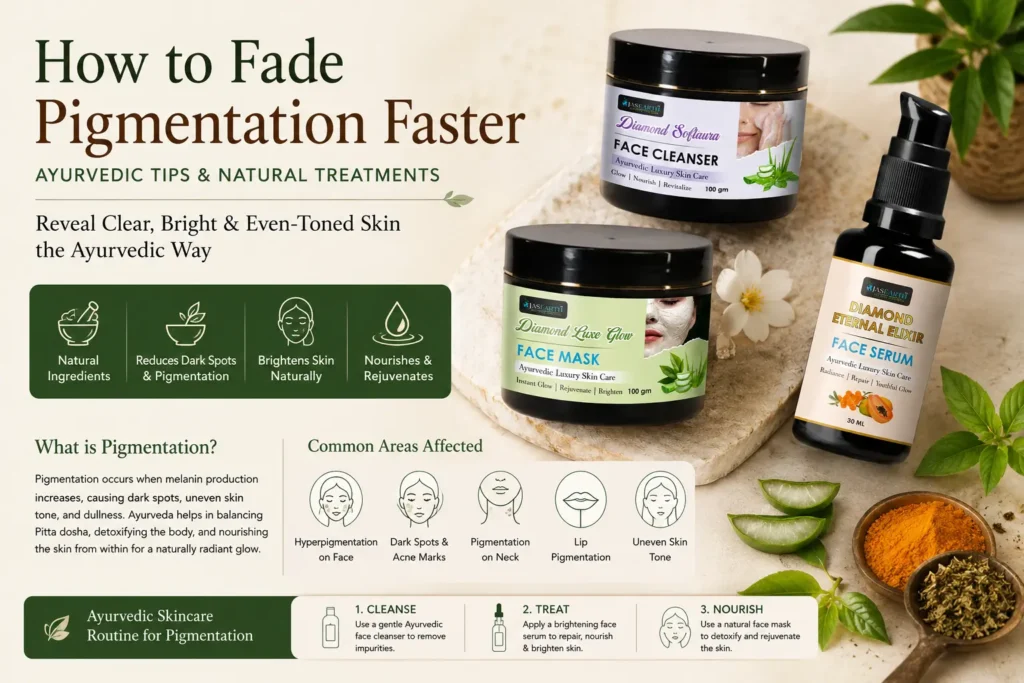
Step 1: Start with a Gentle Face Cleanser
Cleansing is the foundation of every effective skincare routine.
A quality herbal face cleanser helps remove dirt, excess oil, pollutants, makeup residue, and impurities that can contribute to skin dullness and congestion.
When choosing a cleanser for pigmentation-prone skin, look for Ayurvedic ingredients such as:
Neem
Neem is known for its purifying properties and is commonly used in Ayurvedic skincare to support clear, healthy-looking skin.
Turmeric
Turmeric helps soothe the skin while promoting a brighter complexion.
Aloe Vera
Aloe Vera provides hydration and helps calm irritated skin.
Licorice Root
Licorice is widely recognized for its skin-brightening properties.
Manjistha
One of Ayurveda’s most valued herbs, Manjistha supports healthy skin tone and clarity.
Using a gentle face cleanser twice daily helps prepare the skin for subsequent treatments.
Step 2: Apply a Brightening Face Serum
A concentrated face serum can significantly improve the appearance of pigmentation when used consistently.
Unlike moisturizers, serums contain higher concentrations of active ingredients that penetrate deeper into the skin.
Benefits of a Face Serum for Pigmentation
A high-quality face serum may help:
- Improve skin radiance
- Reduce visible pigmentation
- Enhance skin hydration
- Promote a more even complexion
- Support skin renewal
Ayurvedic Ingredients to Look For
Kumkumadi Oil
A luxurious Ayurvedic formulation traditionally used to enhance skin brightness and improve complexion.
Saffron
Saffron is valued for its ability to support a radiant and youthful appearance.
Licorice Extract
Licorice helps reduce the appearance of dark spots and hyperpigmentation.
Manjistha
Manjistha supports healthy blood circulation and clearer-looking skin.
Consistent use of a brightening face serum can help improve hyperpigmentation on face over time.
Step 3: Use a Nourishing Face Mask Weekly
A herbal face mask provides intensive care and nourishment to the skin.
Unlike daily skincare products, face masks deliver concentrated botanical ingredients that can help rejuvenate the skin and enhance overall radiance.
Best Ayurvedic Ingredients in a Face Mask
Sandalwood
Sandalwood has long been used in Ayurveda for its cooling and soothing properties.
Multani Mitti
Also known as Fuller’s Earth, it helps absorb excess oil and cleanse pores.
Rose Petals
Rose helps refresh and revitalize tired-looking skin.
Turmeric
Turmeric supports a brighter complexion.
Aloe Vera
Provides hydration and comfort to the skin.
Using a face mask one or two times per week can support healthier skin and improve the appearance of skin hyperpigmentation.
Powerful Ayurvedic Herbs for Hyperpigmentation Treatment
Ayurveda offers numerous herbs known for supporting skin health and addressing pigmentation concerns.
Manjistha
Manjistha is considered one of the most effective Ayurvedic herbs for promoting clear skin.
Benefits include:
- Supporting healthy circulation
- Improving skin clarity
- Reducing uneven skin tone
- Enhancing natural radiance
Licorice (Mulethi)
Licorice is widely used in skincare formulations for its brightening effects.
It may help improve:
- Dark spots
- Uneven pigmentation
- Skin dullness
Turmeric
Turmeric has been used in beauty rituals for centuries.
Benefits include:
- Antioxidant support
- Soothing properties
- Improved complexion
Saffron
Saffron is highly prized in Ayurvedic skincare for promoting luminous skin.
Aloe Vera
Aloe Vera helps maintain hydration while soothing irritated skin.
Lip Pigmentation: Causes and Natural Care
Many people focus on facial pigmentation while overlooking lip pigmentation.
Darkened lips can affect overall facial appearance and confidence.
What Causes Lip Pigmentation?
Common causes include:
- Smoking
- Sun exposure
- Dehydration
- Excessive caffeine consumption
- Hormonal changes
- Allergic reactions
Understanding Lip Hyperpigmentation
Lip hyperpigmentation occurs when excess melanin accumulates in the lip tissue, causing darkening.
Lip Hyperpigmentation Treatment
Natural approaches to lip hyperpigmentation treatment include:
- Herbal lip balms
- Saffron-infused oils
- Licorice-based formulations
- Adequate hydration
Lip Pigmentation Removal
Consistent care can support gradual lip pigmentation removal and help restore the lips’ natural appearance.
Hyperpigmentation on Neck: Causes and Care
Hyperpigmentation on neck is a common concern that may result from:
- Friction
- Sun exposure
- Hormonal changes
- Lifestyle factors
- Skin conditions
Using gentle exfoliation, herbal skincare products, and maintaining healthy lifestyle habits can support improvement.
Hyperpigmentation on Nose
Hyperpigmentation on nose often develops due to:
- Sun damage
- Acne marks
- Frequent touching of the nose
- Friction from glasses
A consistent skincare routine featuring a gentle face cleanser, brightening face serum, and weekly face mask can help improve discoloration.
Eyelid Pigmentation
Eyelid pigmentation is another concern that many individuals experience.
Possible causes include:
- Genetics
- Aging
- Lack of sleep
- Allergies
- Sun exposure
Since eyelid skin is delicate, gentle skincare and adequate hydration are essential.
Lifestyle Habits That Support Healthy Skin
Ayurveda emphasizes that external skincare should be supported by healthy internal habits.
Stay Hydrated
Proper hydration supports healthy skin function and overall well-being.
Eat Antioxidant-Rich Foods
Include:
- Fresh fruits
- Leafy greens
- Berries
- Nuts
- Seeds
Manage Stress
Stress can aggravate Pitta imbalance and contribute to skin concerns.
Meditation, yoga, and deep breathing exercises may support overall wellness.
Get Quality Sleep
Sleep is essential for skin repair and regeneration.
Daily Habits That Can Worsen Pigmentation
Avoiding common mistakes is just as important as following a skincare routine.
Skipping Sunscreen
UV exposure remains one of the primary causes of pigmentation recurrence.
Picking at Acne
This often results in dark spots and hyperpigmentation.
Using Harsh Products
Overly aggressive skincare can irritate the skin and worsen pigmentation.
Inconsistent Skincare
Results require consistency and patience.
Best Treatment for Pigmentation on Face: An Ayurvedic Perspective
When people search for the best treatment for pigmentation on face, they often expect a quick fix. However, Ayurveda emphasizes a balanced approach that supports long-term skin health.
An effective pigmentation routine may include:
✔ Herbal face cleanser
✔ Brightening face serum
✔ Nourishing face mask
✔ Daily sun protection
✔ Balanced diet
✔ Proper hydration
✔ Stress management
✔ Consistent skincare habits
This comprehensive approach not only addresses visible pigmentation but also supports overall skin wellness.
Final Thoughts
Whether you’re dealing with pigmentation on face, hyperpigmentation on face, dark pigmentation on face, black pigmentation on face, hyperpigmentation on neck, hyperpigmentation on nose, eyelid pigmentation, lip pigmentation, or seeking effective lip hyperpigmentation treatment, adopting a holistic skincare routine can make a noticeable difference.
Ayurveda teaches that healthy skin begins with balance. By combining time-tested Ayurvedic ingredients with a consistent skincare regimen featuring a gentle face cleanser, targeted face serum, and nourishing face mask, you can support your skin’s natural renewal process and improve the appearance of skin pigmentation over time.
If you’re searching for how to remove pigmentation from face permanently, remember that lasting results require patience, consistency, and a commitment to healthy skincare habits. With the right products and a holistic approach, it is possible to reduce hyperpigmentation, minimize dark spots and hyperpigmentation, and achieve a brighter, more radiant complexion naturally.